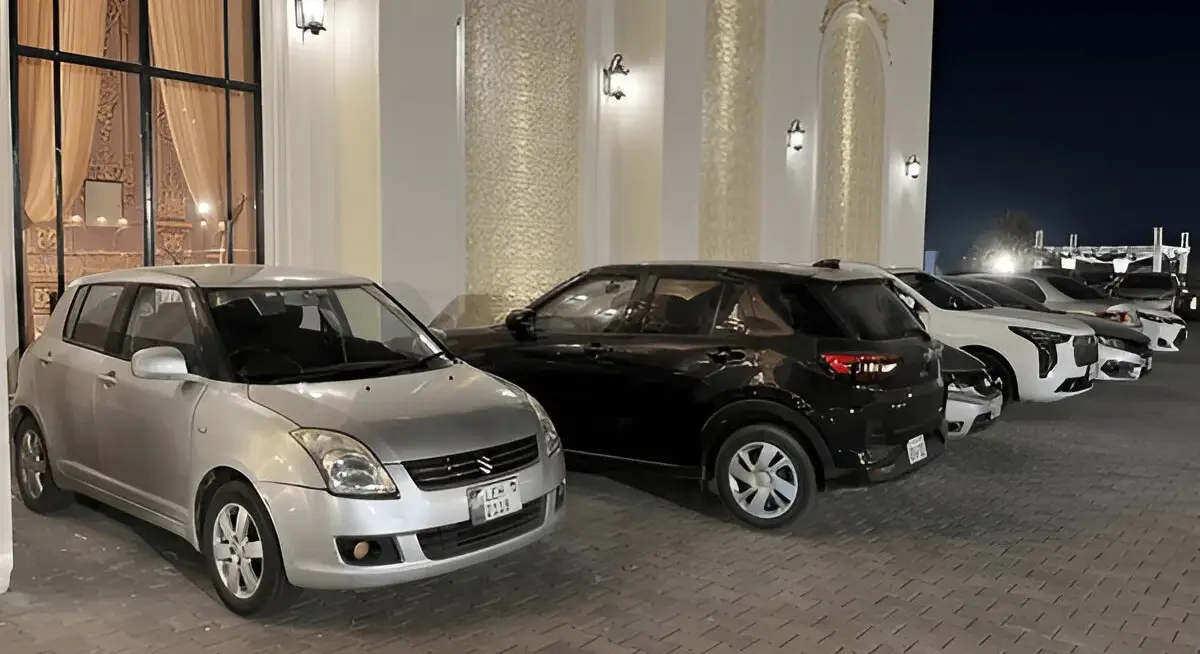
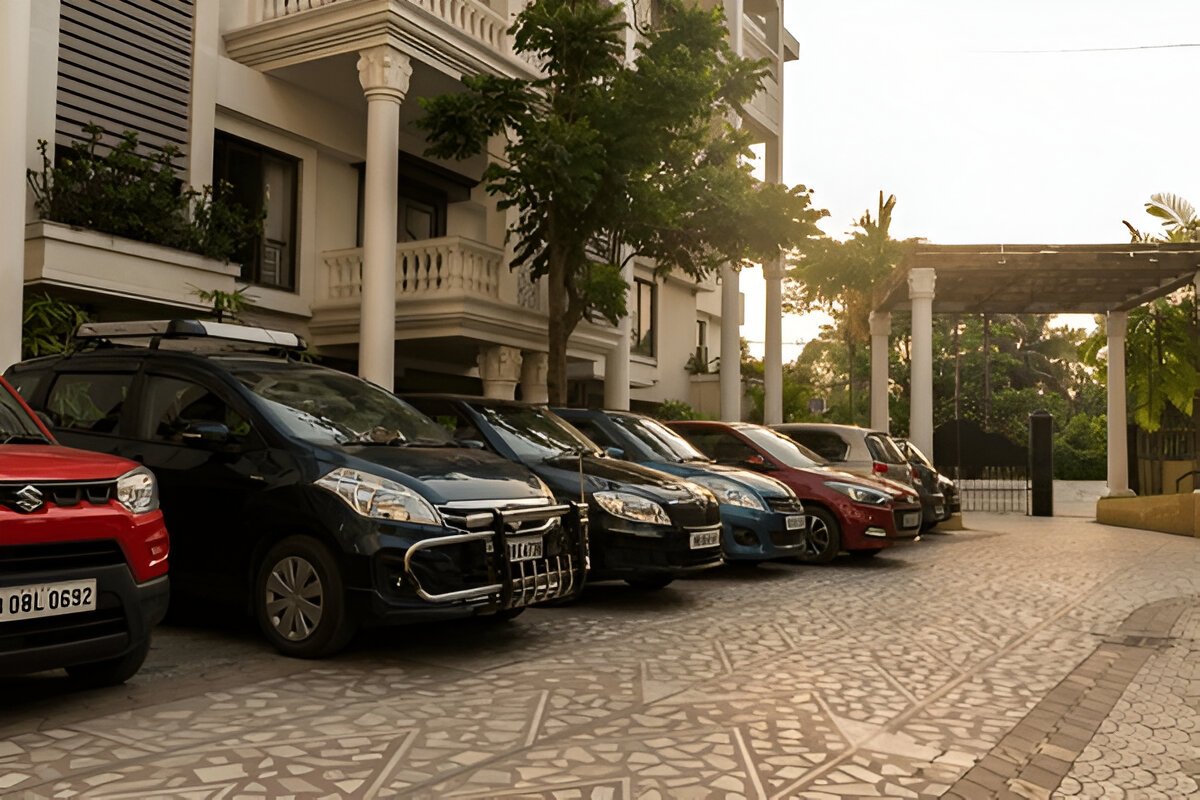
Car parking is a designated space or facility where vehicles are temporarily stationed when not in use. It plays a critical role in urban infrastructure, supporting mobility, traffic flow, and accessibility. Car parking can be found in various forms, including on-street parking, off-street lots, multilevel garages, and automated parking systems. In densely populated areas, efficient parking design helps reduce traffic congestion and supports smoother transportation systems.
Car parking refers to designated spaces for temporarily storing vehicles. It is essential for managing urban traffic, ensuring road safety, and providing driver convenience. Types include on-street, off-street, multilevel, underground, and automated parking systems. Efficient parking reduces congestion and saves time. Modern solutions use smart technologies like sensors, digital payments, and mobile apps to streamline the process. Poorly planned parking leads to traffic delays, pollution, and space wastage. Sustainable options like shared parking, park-and-ride, and integration with public transport are gaining importance. Properly designed parking is crucial for supporting mobility, accessibility, and efficient land use in growing urban areas.

Residential, commercial, and public spaces all require thoughtful parking solutions that balance convenience, safety, and environmental concerns. Poorly managed parking can lead to increased air pollution, road blockages, and driver frustration. As cities grow, sustainable parking strategies—such as shared parking, green parking designs, and integration with public transit—are being promoted to reduce reliance on private vehicles.